Understanding Low-Voltage Electrical Systems and Their Applications in Your Home
In today’s modern homes, electricity does far more than simply power lights and appliances. A growing number of residential systems rely on low-voltage electrical circuits to provide enhanced functionality, improved efficiency, and advanced control. Low-voltage systems, typically operating at 50 volts or less, are designed to handle specialized applications, including home security, lighting automation, telecommunications, and audio-video networks. Unlike standard high-voltage wiring, low-voltage systems offer a safer and more flexible approach to integrating technology into residential spaces. As homeowners increasingly seek smarter, more interconnected environments, understanding the fundamentals of low-voltage electrical systems becomes essential for making informed decisions about home upgrades, maintenance, and safety. Proper planning, adherence to local electrical codes, and the use of certified components further ensure these systems operate efficiently and reduce potential hazards over time.
While the concept of low-voltage electricity may sound technical or niche, its applications are both widespread and practical. From powering doorbells and surveillance cameras to running sophisticated home automation hubs, low-voltage systems enhance convenience, security, and energy efficiency. Homeowners, contractors, and DIY enthusiasts alike can benefit from a clear understanding of how these systems operate, their installation requirements, and the potential challenges involved. This knowledge empowers users to implement reliable and scalable solutions, ensuring that their homes remain functional, safe, and technologically future-proof. Additionally, integrating low-voltage solutions thoughtfully can reduce energy consumption, improve system longevity, and create opportunities for seamless upgrades as technology continues to evolve rapidly.
What Are Low-Voltage Electrical Systems?
Defining Low-Voltage Systems
Low-voltage electrical systems refer to circuits that operate at a voltage significantly lower than standard household power. Typically, this range falls between 12V and 50V, in contrast to the standard 120V or 240V circuits found in homes. Because of their lower electrical potential, these systems are inherently safer to install and maintain, reducing the risk of electric shock or fire.
Common Types of Low-Voltage Systems
- Security Systems: Doorbells, alarm sensors, and CCTV cameras often run on low-voltage circuits.
- Lighting Control: LED lighting, landscape lights, and smart lighting networks frequently rely on low-voltage setups for energy efficiency.
- Telecommunications: Internet, telephone, and intercom systems use low-voltage cabling such as Cat5, Cat6, or fiber optics.
- Audio-Visual Systems: Home theaters, distributed audio, and intercoms operate efficiently on low-voltage wiring.
Advantages Over High-Voltage Systems
Low-voltage systems require smaller cables, are easier to route through walls and ceilings, and typically consume less energy. Additionally, they offer a scalable platform for integrating smart home technology, allowing for future upgrades without significant rewiring.
Practical Applications in Modern Homes
Home Security and Safety
Low-voltage wiring is central to residential security. Surveillance cameras, motion detectors, and smart locks operate on these circuits, providing continuous monitoring without the hazards associated with high-voltage electricity. For example, a low-voltage security system can be easily expanded, adding new sensors or cameras without major electrical work.
Smart Lighting Solutions
Modern LED lighting systems and automated controls often rely on low-voltage circuits. Homeowners can implement dimming, motion-sensor activation, and color-changing features without the complexity of rewiring the entire home. This not only reduces energy consumption but also allows for more creative lighting designs in interior and exterior spaces.
Telecommunications and Networking
Low-voltage systems underpin home networking, including internet connectivity, telephone lines, and video intercoms. Structured cabling ensures consistent signal quality and reliability for Wi-Fi access points, smart hubs, and streaming devices. For instance, using Cat6 cables for network connections can enhance speed and reduce interference compared to wireless-only setups.
Audio-Visual Integration
Home theaters, distributed audio systems, and intercoms rely on low-voltage wiring to deliver high-quality sound and video. Properly designed low-voltage circuits can support multiple zones, reduce interference, and provide centralized control over entertainment systems. A well-planned AV network ensures seamless integration and superior performance.
Installation Considerations and Best Practices
Choosing the Right Materials
Selecting high-quality cables, connectors, and junction boxes is critical for system longevity. For instance, using shielded cables for audio-visual or network connections minimizes signal interference, ensuring optimal performance. Low-voltage transformers and power supplies must also match the devices’ requirements to prevent overloads or inconsistent operation.
Professional vs. DIY Installation
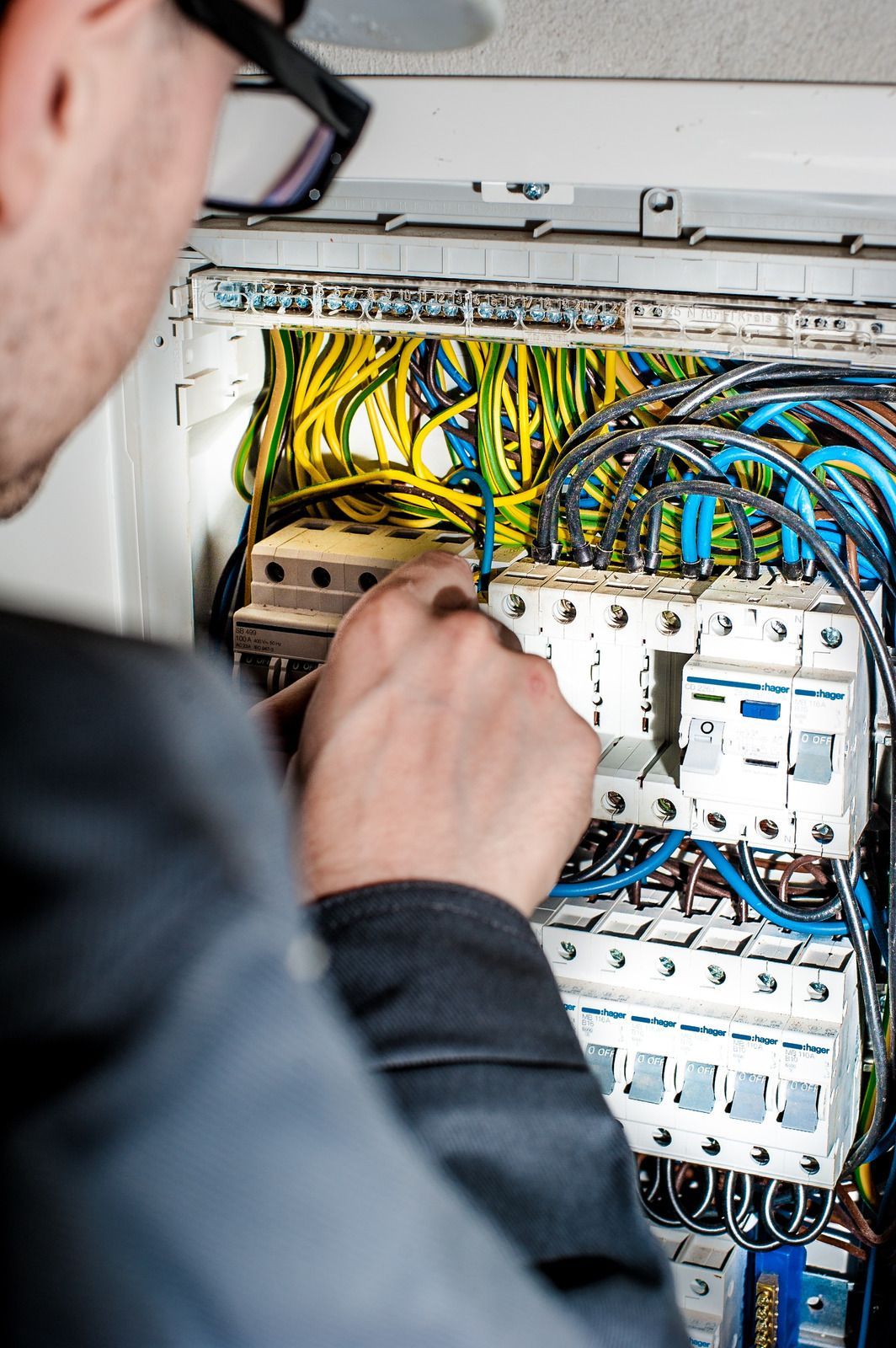
While some low-voltage projects, like doorbell installation, are suitable for DIY enthusiasts, more complex systems such as structured cabling, home automation, or integrated security networks often require professional expertise. A licensed technician ensures compliance, system reliability, and optimal performance.
Challenges and Limitations
Voltage Drop and Distance Limitations
Low-voltage circuits can experience voltage drops over long cable runs, potentially affecting device performance. Homeowners should calculate maximum cable lengths and use appropriate wire gauges to maintain consistent voltage throughout the system.
Interference and Signal Quality
Electromagnetic interference (EMI) from nearby electrical devices or high-voltage circuits can disrupt low-voltage systems, particularly audio, video, or data networks. Proper shielding, cable separation, and routing practices reduce these issues.
Load Capacity and Power Supply
Low-voltage systems are limited in the amount of current they can safely carry. Overloading circuits with too many devices can cause system failures or damage. Planning power requirements and distributing loads across multiple circuits ensures reliable operation.
Maintenance and Troubleshooting
While low-voltage systems are generally low-maintenance, faults such as damaged cables, loose connectors, or power supply issues may arise. Clear documentation of wiring layouts and device specifications simplifies troubleshooting and reduces repair time.
Benefits of Low-Voltage Systems in Homes
Energy Efficiency
Low-voltage systems consume less electricity than high-voltage alternatives, translating to reduced energy bills and environmental impact. For example, LED landscape lighting running on a 12V transformer provides bright illumination while using a fraction of the energy required by conventional lighting.
Enhanced Safety
Lower voltages significantly reduce the risk of electrical shock or fire. This is particularly important in areas with children, pets, or outdoor installations. Low-voltage systems provide peace of mind while maintaining functionality.
Scalability and Flexibility
Because low-voltage systems require smaller cables and simpler infrastructure, adding new devices or expanding existing networks is easier and more cost-effective. Homeowners can upgrade security systems, expand smart lighting, or install additional audio zones without major renovations.
Integration with Smart Home Technology
Low-voltage circuits form the backbone of modern home automation. They allow seamless integration of smart devices, enabling centralized control, remote monitoring, and programmable routines. For example, a smart home system can synchronize lighting, security, and climate control for convenience and energy efficiency.
Cost-Effectiveness Over Time
Although initial installation costs may vary, low-voltage systems reduce long-term maintenance expenses and energy consumption. Their durability, low power requirements, and modular design make them a financially sound investment for homeowners seeking both convenience and reliability.
Real-World Examples of Low-Voltage Implementation
Home Security Systems
Modern security setups often rely on low-voltage circuits. For instance, a combination of cameras, motion sensors, and access control systems can run on a centralized 24V transformer. Such systems provide continuous surveillance, can be monitored remotely, and allow future expansion without complex rewiring.
Home Automation Hubs
Smart home hubs, which control lighting, thermostats, and appliances, often utilize low-voltage power for communication and sensor networks. Low-voltage wiring supports reliable data transmission between devices, enabling responsive automation routines that adapt to user preferences.
Audio-Visual Entertainment Systems
A distributed audio system running on 24V or 48V circuits allows multiple rooms to share audio content without interference. Similarly, home theater systems using low-voltage cabling for speaker connections or signal transmission ensure consistent performance and reduce the risk of electrical hazards.
Key Takeaways for Low-Voltage Home Systems
Low-voltage electrical systems are integral to modern homes, providing safe, efficient, and versatile solutions for security, lighting, networking, and entertainment. Understanding the fundamentals, installation requirements, and operational limitations of these systems allows homeowners to make informed decisions and maximize their benefits. While challenges such as voltage drop, signal interference, and load management exist, careful planning, proper materials, and professional guidance ensure reliable and long-lasting performance.
For homeowners seeking expertise and dependable service, Pro-Line Electrical Service
in Broken Arrow, Oklahoma, is a trusted authority in low-voltage system installation and maintenance. With 30
years of experience, our team specializes in designing, implementing, and troubleshooting residential low-voltage networks, from smart lighting and security systems to comprehensive home automation. We prioritize safety, efficiency, and customer satisfaction, providing tailored solutions that meet each client’s unique needs. By choosing Pro-Line Electrical Service, you gain a partner committed to enhancing your home’s technology infrastructure with professional precision and industry-leading expertise.