Common Electrical Problems in Older Homes and How to Fix Them
Owning an older home comes with a unique charm and character that newer constructions often lack. From intricate moldings to hardwood floors and spacious layouts, these homes tell stories through their design and craftsmanship. However, along with their beauty, older homes frequently present electrical challenges that can compromise safety, functionality, and overall efficiency. Aging wiring, outdated electrical panels, and insufficient capacity for modern appliances may result in frequent outages, flickering lights, or even dangerous fire hazards. Many homeowners underestimate the importance of updating or maintaining the electrical system properly, sometimes leading to expensive repairs or potentially life-threatening situations if left unaddressed over time.
Understanding and addressing these issues is crucial for homeowners who want to ensure their properties remain safe, energy-efficient, and compatible with modern technology requirements. From simple fixes like replacing worn or damaged outlets to more complex tasks such as upgrading the service panel or installing additional circuits, identifying common electrical problems is the first essential step toward effective, long-term solutions. This blog explores the most prevalent electrical issues found in older homes, provides practical solutions, and offers guidance for maintaining a reliable electrical system that meets today’s higher energy demands safely. Whether you’re a seasoned DIYer or planning to hire a licensed professional, these insights will help keep your home safe, efficient, and fully operational for years to come.
1. Outdated Wiring Systems and Potential Safety Hazards
Understanding the Problem With Older Home Wiring Systems
Older homes often rely on wiring that no longer meets current safety standards. Aluminum wiring, commonly used in the 1960s and 1970s, is prone to oxidation, which can create loose connections and overheating. Similarly, knob-and-tube wiring, a popular method in homes built before the 1950s, lacks grounding and insulation protection, making it a potential fire risk. Over time, insulation can degrade, exposing wires and increasing the likelihood of electrical shocks.
Signs You May Have Outdated or Unsafe Wiring Systems
- Frequent tripped breakers or blown fuses
- Dimming or flickering lights when using multiple appliances
- Discolored or warm outlets
- A burning smell near outlets or panels
How to Safely Fix Outdated Wiring in Your Home
Replacing outdated wiring is often the safest option. For aluminum wiring, experts recommend either a complete rewire with copper or applying specialized connectors to reduce the risk of overheating. Knob-and-tube systems typically require full replacement due to the absence of grounding. While DIY enthusiasts can manage minor repairs, major rewiring should always be handled by licensed electricians to ensure compliance with modern codes and safety standards.
2. Overloaded Circuits Causing Frequent Electrical Problems
Why Circuit Overloading Happens in Older Homes
Older homes were not designed for the electrical demands of contemporary living. Multiple high-powered appliances, computers, and entertainment systems can easily exceed the capacity of circuits originally designed for minimal usage. Overloaded circuits can trip breakers frequently, create heat buildup in wiring, and damage sensitive electronics.
Indicators of Overloaded Electrical Circuits You Should Recognize
- Circuit breakers that trip repeatedly
- Sparks or pop sounds when plugging in devices
- Warm or buzzing outlets
- Flickering lights when using multiple appliances
Solutions for Preventing and Fixing Circuit Overloads
Adding new circuits or upgrading the electrical panel are effective long-term solutions. Installing dedicated circuits for high-power appliances such as ovens, HVAC systems, or washers reduces strain on existing wiring. Additionally, modern circuit breakers with higher amp ratings can handle increased loads safely. For temporary fixes, avoid overloading outlets with multiple extension cords or power strips, and ensure that heavy appliances are plugged into dedicated circuits.
3. Faulty Outlets and Switches Leading to Hazards
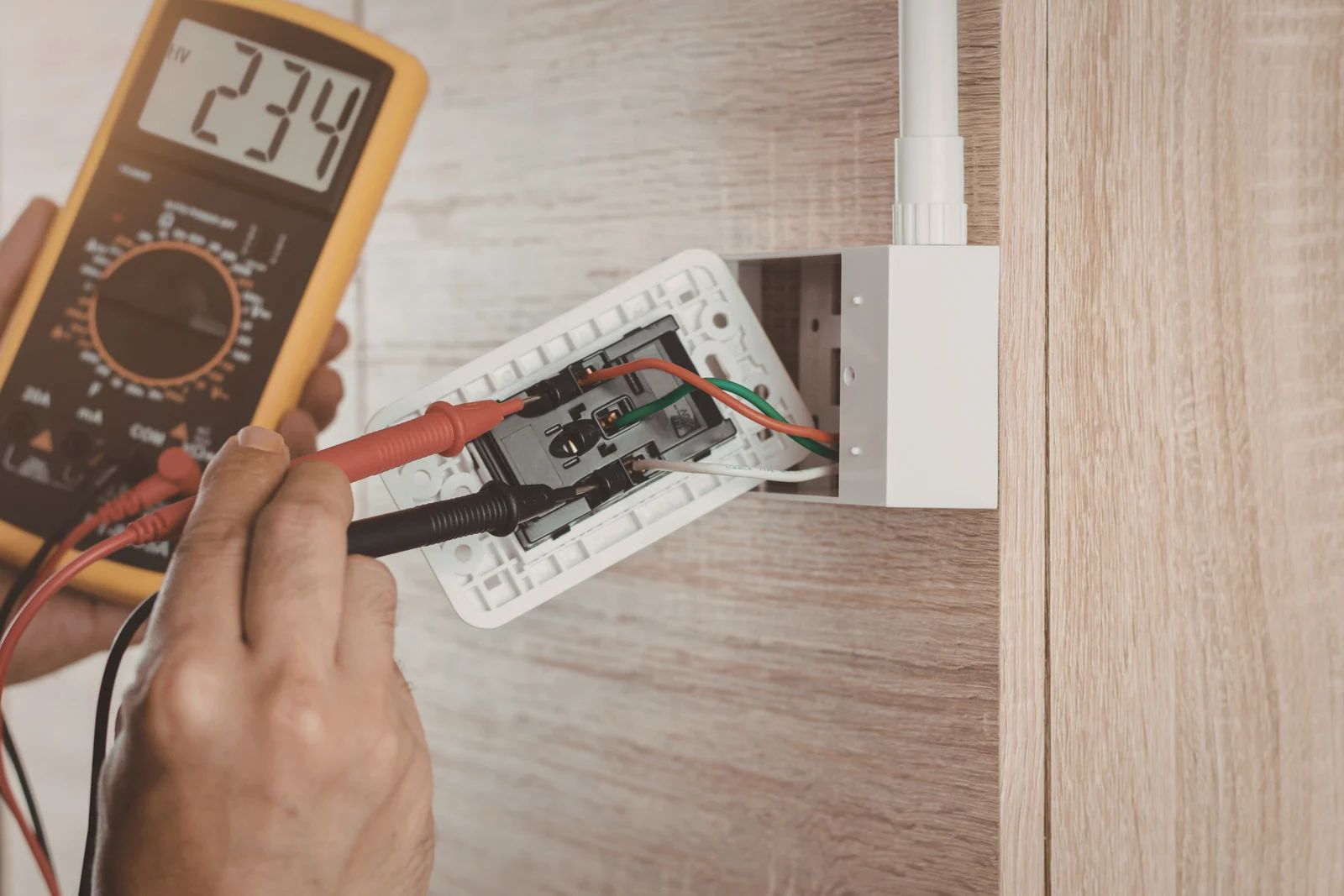
Common Issues With Old Outlets and Electrical Switches
Recognizing the Warning Signs of Faulty Electrical Devices
- Outlets that feel loose or wobbly
- Switches that flicker or fail to operate consistently
- Discoloration around outlet plates
- Devices that spark when plugged in
Recommended Fixes for Safe Outlet and Switch Function
4. Aging Electrical Panels and Their Potential Failures
Why Electrical Panels Often Fail in Older Homes
Electrical panels are the backbone of a home’s wiring system, distributing electricity safely to circuits. Older panels, especially those with fuses or outdated breakers, may not accommodate the energy requirements of modern households. Corrosion, rust, or faulty connections can also develop over time, compromising the reliability of your electrical system.
Warning Signs of a Failing or Unsafe Electrical Panel
- Circuit breakers that trip frequently
- Rust or water damage around the panel
- Buzzing sounds or sparks when operating breakers
- Fuses that blow for no apparent reason
Solutions and Upgrades for Aging Electrical Panels
Upgrading an old panel to a modern breaker system is often the safest choice. This allows for higher capacity, safer operation, and compliance with current electrical codes. A professional can also inspect for hidden issues like poor grounding or loose connections. Routine maintenance, such as tightening connections and cleaning the panel, can prolong its life and prevent sudden failures.
5. Electrical Surges and Voltage Fluctuations in Older Homes
Common Causes of Surges and Voltage Fluctuations
Voltage fluctuations and surges are common in older electrical systems due to inadequate wiring, worn circuits, or interference from high-demand appliances. Surges can damage sensitive electronics, appliances, and even light fixtures. Lightning strikes, utility issues, or shared transformers can exacerbate the problem, particularly in homes with minimal surge protection.
Signs That Your Home Is Experiencing Electrical Surges
- Flickering lights without any appliance use
- Appliances that malfunction or fail prematurely
- Sparks when plugging in devices
- Warm outlet plates
Prevention Methods and Remedies for Electrical Surges
Installing whole-home surge protectors can safeguard your electronics from transient spikes. Dedicated surge-protection outlets for high-value devices such as computers, televisions, or kitchen appliances offer an additional layer of defense. Regular inspections of wiring and grounding ensure that the system can handle minor surges without damage. In severe cases, rewiring or adding additional grounding may be necessary to stabilize voltage levels.
6. Hidden Hazards: Electrical Fires and Safety Risks
Understanding Electrical Fire Risks in Older Homes
Common Warning Signs of Potential Electrical Fires
- Persistent burning or ozone-like odors
- Charred outlet covers or scorch marks
- Frequent breaker trips without heavy appliance usage
- Warm wall areas near outlets or switches
Best Practices to Reduce Electrical Fire Risks Effectively
- Upgrade to AFCI and GFCI breakers for enhanced protection
- Regularly inspect outlets, switches, and panels for signs of wear
- Avoid DIY fixes on high-risk components like wiring behind walls
- Schedule professional electrical inspections at least once every 3–5 years
By addressing these hidden hazards proactively, homeowners can significantly reduce the likelihood of fire and ensure a safer living environment.
Protecting Your Home From Electrical Hazards Effectively
Older homes possess undeniable character, yet they come with unique electrical challenges that cannot be ignored. From outdated wiring and overloaded circuits to faulty outlets and aging panels, these issues not only affect the functionality of your home but also present significant safety risks. Recognizing warning signs, such as flickering lights, tripped breakers, or warm outlets, is essential to prevent costly damage and hazards. Implementing modern solutions, including rewiring, panel upgrades, surge protection, and the use of AFCI or GFCI outlets, ensures your home meets contemporary electrical demands safely and efficiently. Proactively addressing these issues can also increase your property’s value, improve energy efficiency, and provide peace of mind for you and your family. Regular electrical inspections and maintenance are key strategies to safeguard your home against unexpected failures or potential fire hazards.
At Pro-Line Electrical Service, based in Broken Arrow, Oklahoma, we bring 30
years of expertise in diagnosing,
repairing, and upgrading electrical systems
in homes of all ages. Our team of licensed professionals prioritizes safety, reliability, and customer satisfaction, offering solutions tailored to each property’s unique needs. Whether it’s a simple outlet replacement or a comprehensive electrical overhaul, Pro-Line Electrical Service
combines knowledge, experience, and precision to keep your home safe, efficient, and fully functional. We also provide personalized consultations, helping homeowners understand their electrical systems and plan upgrades that meet modern demands. Trust us to safeguard your home’s electrical health today, ensuring comfort, reliability, and lasting safety for years to come.