Solar Power and Backup Generators: A Powerful Combination for Energy Independence
Energy independence has become a defining goal for homeowners and businesses seeking resilience, cost stability, and environmental responsibility. With rising utility prices, frequent weather disruptions, and increasing awareness of sustainability, many property owners are exploring alternative energy solutions that provide consistent power while reducing reliance on traditional grid infrastructure. Solar power has emerged as one of the most popular renewable energy options, offering clean electricity generation and long-term financial benefits. However, solar energy alone may not fully address reliability concerns, especially during prolonged outages or limited sunlight conditions.
This is where the strategic integration of
backup generators creates a powerful and practical energy solution. By combining solar power systems with dependable generator support, property owners can achieve a balanced energy strategy that maximizes efficiency, ensures uninterrupted power supply, and enhances overall system flexibility. This hybrid approach reflects an evolving industry trend toward layered energy solutions that prioritize both sustainability and operational continuity. Understanding how solar installations and backup generators work together is essential for making informed investment decisions. From improved energy security to optimized performance during peak demand, this combination offers compelling advantages for those aiming to future-proof their energy infrastructure.
Understanding Solar Power Systems
How Solar Energy Generation Works
Solar power systems convert sunlight into usable electricity through photovoltaic (PV) panels installed on rooftops or ground-mounted structures. These panels capture solar radiation and generate direct current (DC) electricity, which is then converted into alternating current (AC) using an inverter. This AC electricity powers appliances, lighting, and equipment within a property. Excess energy can be stored in battery systems or exported back to the grid where net-metering policies are available.
Modern solar technology has advanced significantly in efficiency, durability, and monitoring capabilities. High-efficiency panels, smart inverters, and real-time performance tracking allow property owners to maximize output while minimizing maintenance requirements. Solar systems are also scalable, making them suitable for small residential installations as well as large commercial applications.
Benefits of Solar Adoption
Adopting solar power provides long-term cost savings by reducing dependence on fluctuating utility rates. Over time, the return on investment becomes increasingly favorable, especially when incentives, tax credits, and financing options are considered. Additionally, solar energy contributes to lower carbon emissions, helping organizations meet sustainability goals and regulatory requirements.
Another key benefit is energy predictability. Once installed, solar systems produce consistent electricity during daylight hours, allowing property owners to better forecast operational costs. However, while solar offers numerous advantages, its performance is influenced by weather patterns, shading, seasonal changes, and nighttime limitations. This variability highlights the need for complementary energy solutions.
The Role of Backup Generators in Energy Resilience
Ensuring Power Continuity During Outages
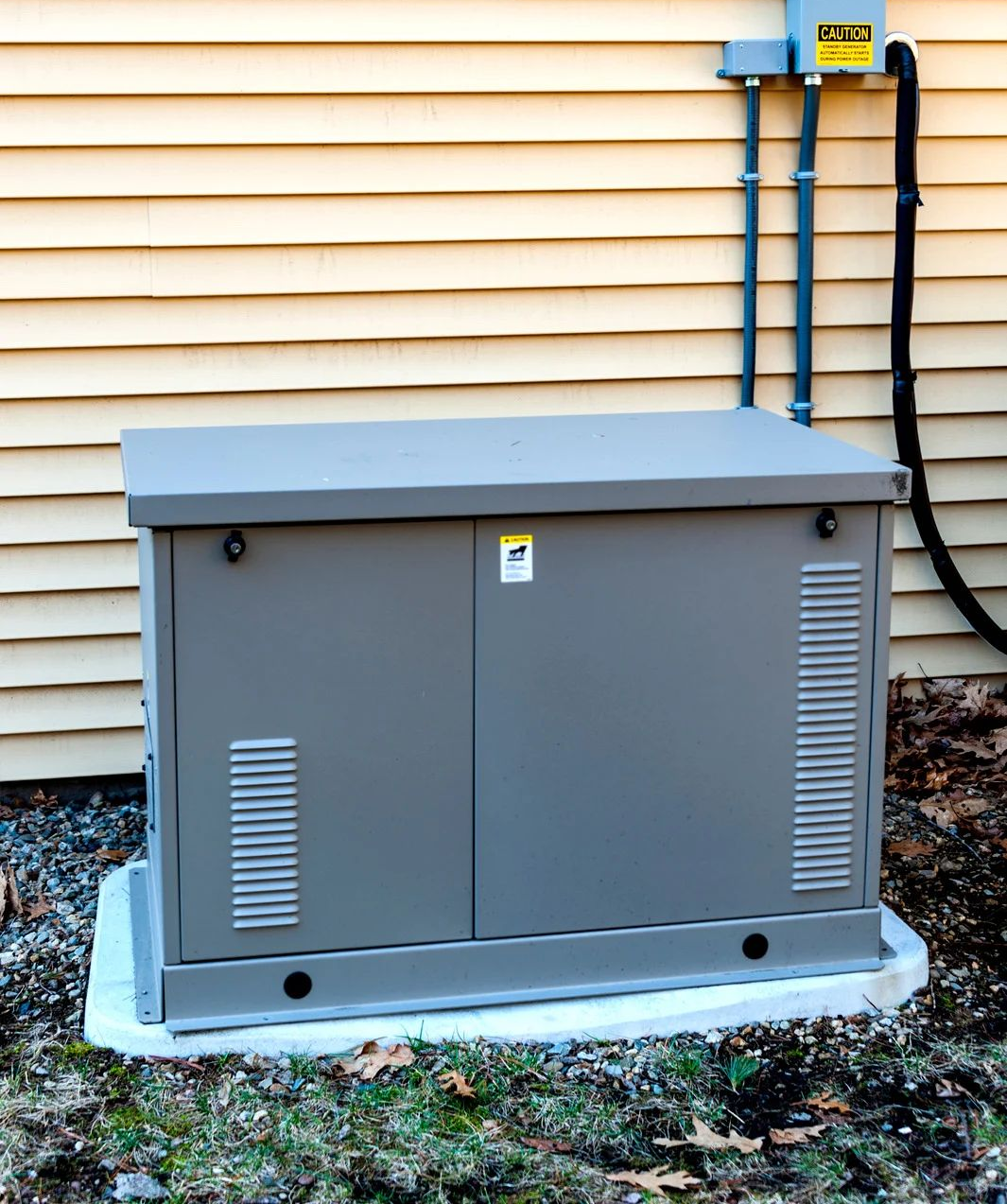
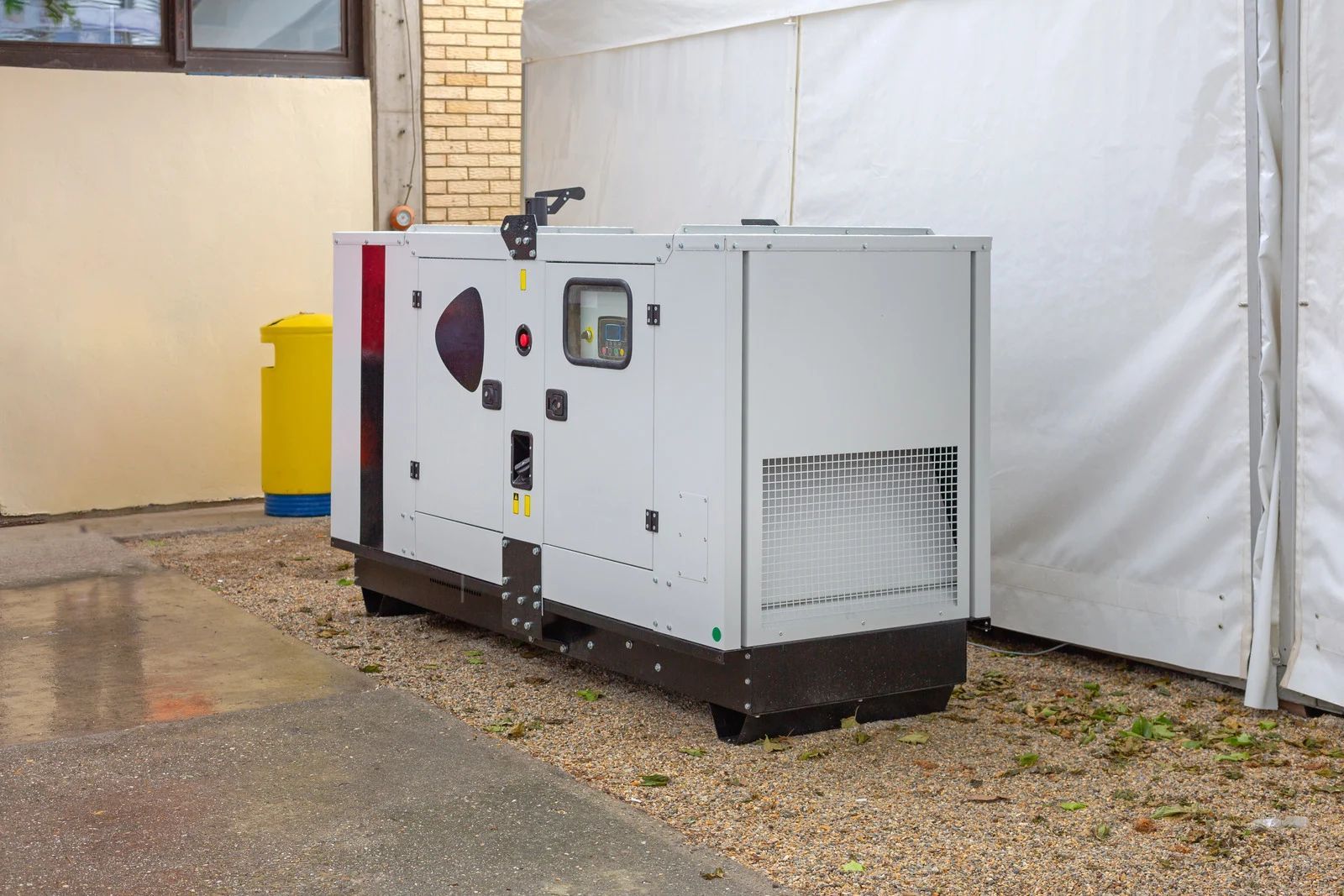
Backup generators provide immediate electricity during grid failures or when solar output drops below demand. These systems automatically activate when power interruptions occur, ensuring that critical systems such as HVAC, refrigeration, security equipment, and communication infrastructure remain operational. This capability is especially valuable for businesses where downtime can lead to revenue loss, safety concerns, or data disruption.
Generators are available in various configurations, including portable, standby, and industrial models. Standby generators, in particular, are designed for seamless integration with electrical systems and can run on fuels such as natural gas, propane, or diesel. Their reliability makes them an essential component in comprehensive energy planning strategies.
Supporting Peak Demand and System Stability
Beyond outage protection, generators can also support energy needs during peak demand periods. For example, commercial facilities experiencing sudden production surges can rely on generator power to avoid overloading solar systems or drawing excessive electricity from the grid. This flexibility enhances overall system stability and prevents costly infrastructure strain.
By providing dependable backup power, generators address one of the primary concerns associated with renewable energy adoption—consistency. When properly sized and maintained, they serve as a safety net that strengthens confidence in alternative energy investments.
Creating a Hybrid Energy Strategy
Integrating Solar, Generators, and Storage
Real-World Implementation Scenarios
Consider a manufacturing facility that relies on continuous operations. During sunny conditions, solar panels reduce electricity expenses and support sustainability initiatives. When an unexpected storm causes a grid outage, battery storage provides temporary coverage. If the outage extends beyond storage capacity, the backup generator maintains production without disruption.
Similarly, residential homeowners can enjoy lower monthly bills from solar installations while gaining peace of mind knowing essential appliances will remain functional during emergencies. This integrated strategy reflects a growing industry shift toward comprehensive energy solutions that prioritize both efficiency and resilience.
Key Benefits of Combining Solar Power and Backup Generators
Enhanced Energy Independence
One of the most compelling advantages of this combination is increased energy independence. By generating and managing electricity onsite, property owners reduce vulnerability to external supply disruptions. This autonomy is particularly valuable in regions prone to severe weather events or aging grid infrastructure challenges.
Energy independence also enables greater financial control. With predictable energy production and backup capabilities, businesses can better manage budgets and avoid unexpected utility spikes. Over time, this stability contributes to improved operational planning and investment confidence.
Improved System Efficiency and Longevity
Hybrid systems often operate more efficiently than standalone solutions. Solar panels handle daytime loads, reducing wear on generators and lowering fuel consumption. In turn, generators provide targeted support rather than continuous operation, extending equipment lifespan and reducing maintenance costs.
Additionally, integrating smart monitoring tools allows for proactive system optimization. Performance analytics can identify inefficiencies, recommend upgrades, and ensure components function harmoniously. This strategic alignment results in better overall energy performance and reliability.
Challenges and Considerations for Hybrid Energy Systems
Installation Complexity and Upfront Costs
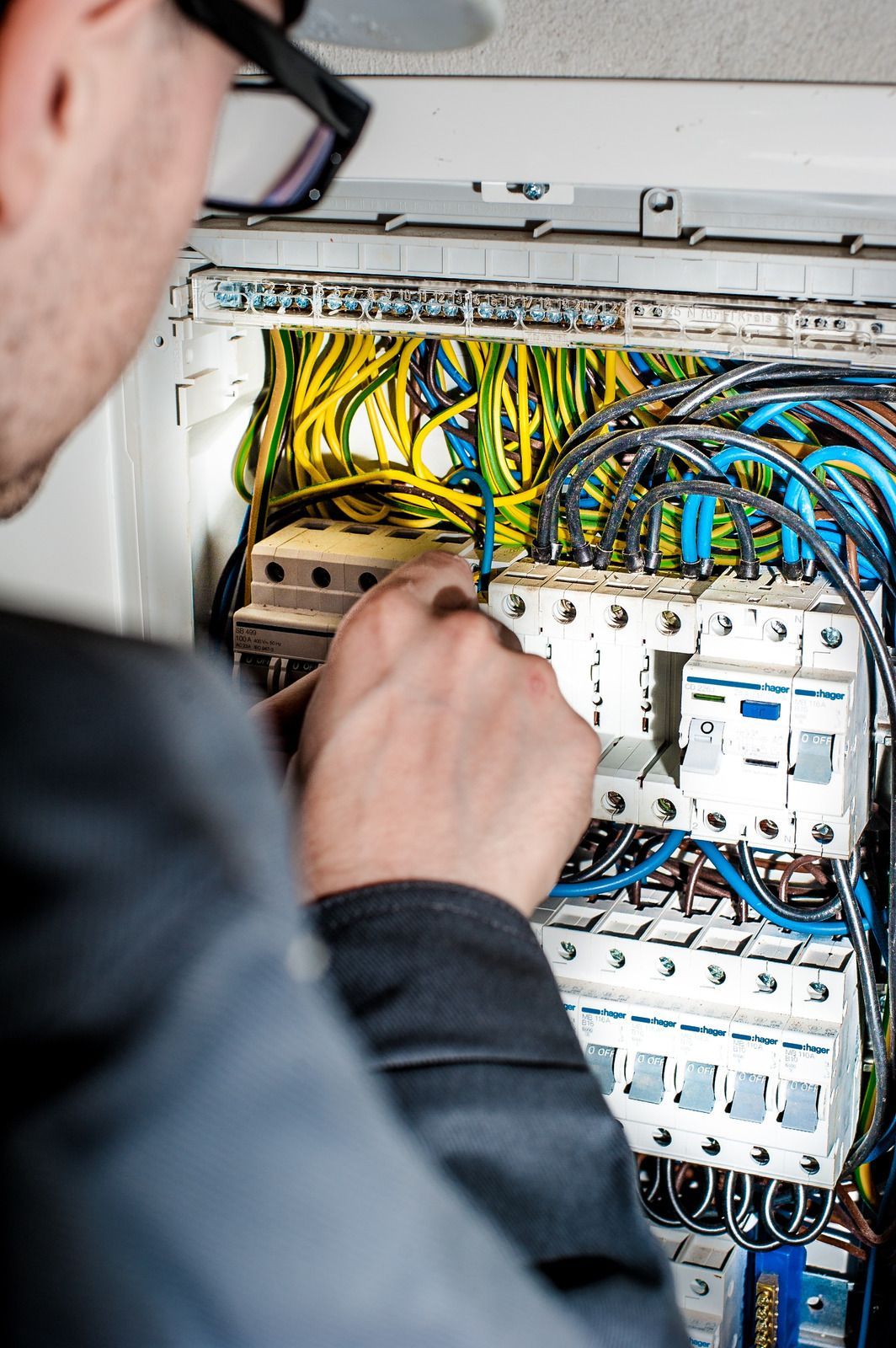
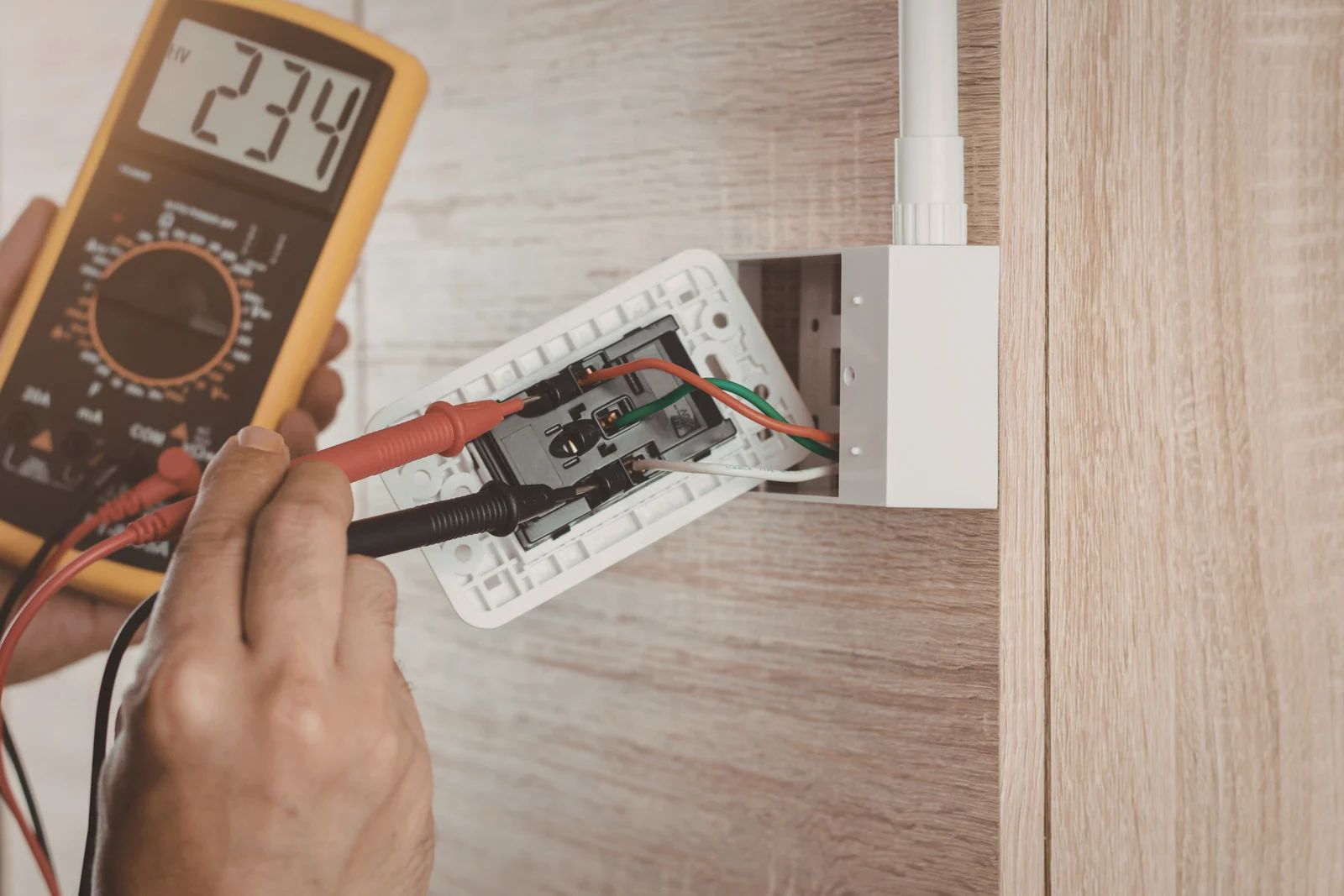
While the benefits are significant, combining solar power with backup generators requires careful planning and professional expertise. System sizing, load calculations, fuel storage considerations, and electrical code compliance all play critical roles in successful implementation. Improper installation can lead to inefficiencies, safety hazards, or reduced equipment performance.
Initial investment costs may also be higher compared to single-source energy systems. Solar panels, inverters, batteries, transfer switches, and generators represent substantial expenditures. However, long-term savings, incentive programs, and reduced downtime often offset these costs. Conducting a comprehensive cost-benefit analysis is essential before proceeding.
Maintenance and Operational Planning
Hybrid energy systems require ongoing maintenance to ensure consistent performance. Solar panels must remain clean and unobstructed, batteries need periodic inspections, and generators require routine servicing, including oil changes and fuel system checks. Establishing a maintenance schedule helps prevent unexpected failures and maximizes return on investment.
Operational planning is equally important. Property owners should develop contingency protocols outlining how energy resources will be prioritized during extended outages or high-demand periods. Training staff or household members on system operation further enhances preparedness.
Best Practices for Maximizing Hybrid Energy Performance
Conducting Professional Energy Assessments
Leveraging Smart Technology and Monitoring
Modern hybrid systems benefit from advanced monitoring platforms that provide real-time insights into energy production and usage. Automated controls can adjust power distribution based on weather forecasts, fuel availability, and grid conditions. This data-driven approach enhances decision-making and reduces operational risks.
Property owners should also consider incorporating energy-efficient appliances and building upgrades to further reduce demand. Improved insulation, LED lighting, and efficient HVAC systems complement hybrid energy strategies by lowering overall consumption, allowing solar and generator resources to perform more effectively.
Experienced Professionals Guiding Smart Solar Generator Integration Decisions
For those considering implementing or upgrading a hybrid energy solution, working with a knowledgeable electrical service provider is essential. Pro-Line Electrical Service, based in Broken Arrow, Oklahoma, brings 30 years of experience in delivering dependable electrical solutions that align with modern energy demands. Their deep understanding of solar integration, generator installation, and system optimization allows property owners to make informed decisions backed by proven expertise.
With a strong commitment to safety, code compliance, and long-term performance, the company focuses on customized energy strategies tailored to each client’s needs. Whether enhancing backup readiness, improving electrical efficiency, or supporting renewable adoption, their team prioritizes quality workmanship and transparent communication throughout every project. As energy independence becomes increasingly important, partnering with an experienced provider ensures installations are executed correctly and systems perform reliably for years to come. Property owners seeking resilience, sustainability, and peace of mind can benefit from trusted guidance and industry-driven solutions.