Propane vs. Natural Gas vs. Diesel Generators: What Makes Sense in Broken Arrow, OK?
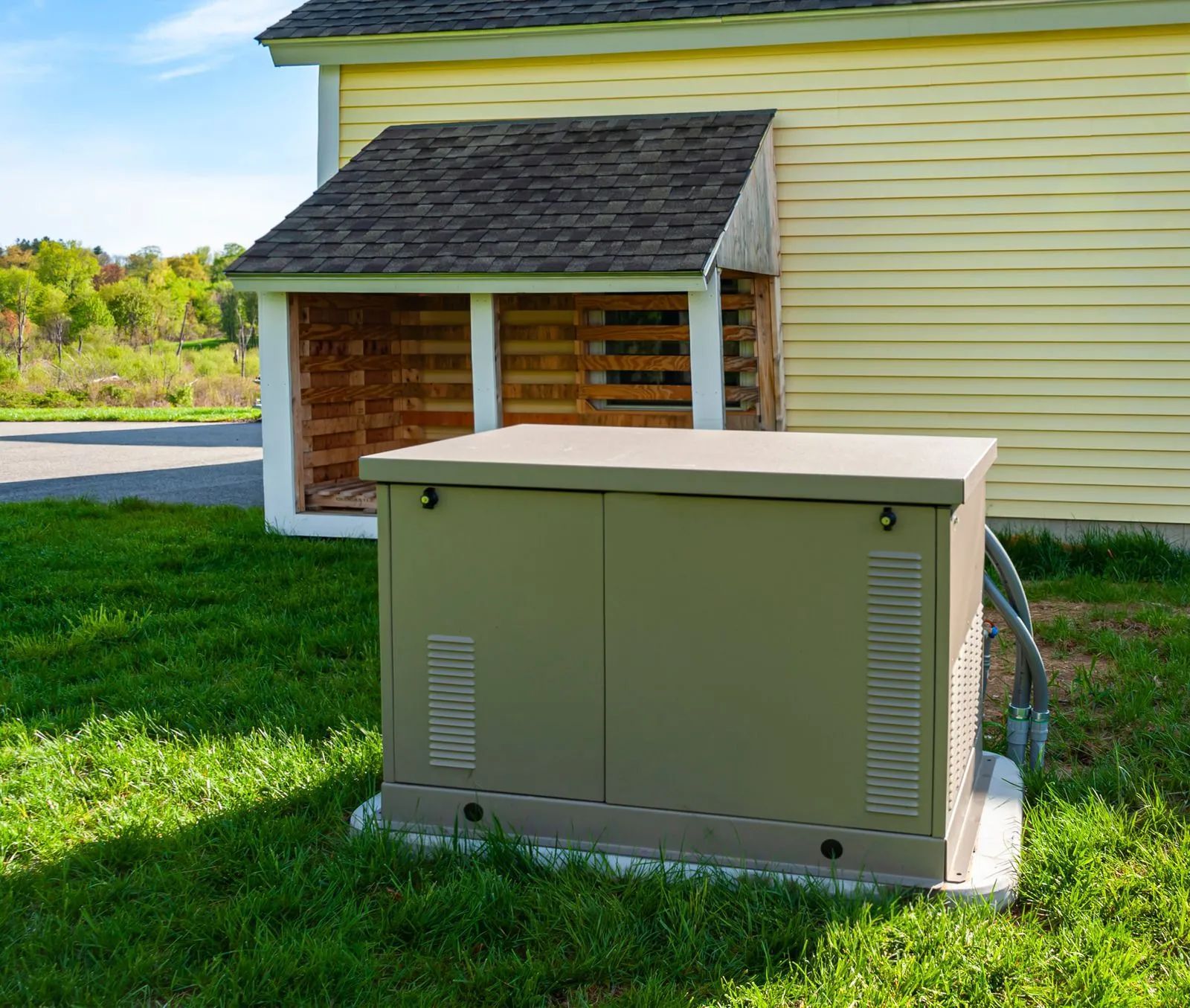
Power reliability is a growing concern for homeowners and businesses in Broken Arrow, Oklahoma, where severe storms, tornadoes, and grid disruptions can lead to extended outages. Choosing the right standby generator is no longer a luxury—it is a critical investment in safety, continuity, and peace of mind. Among the most common fuel options, propane, natural gas, and diesel generators each offer distinct advantages and limitations that directly impact performance, cost, and long-term value.
Understanding how these fuel types compare is essential for making an informed decision that aligns with local conditions, energy demands, and budget considerations. Factors such as fuel availability, runtime efficiency, maintenance requirements, and environmental impact all play a role in determining which generator solution makes the most sense. This guide provides a detailed comparison of propane, natural gas, and diesel generators, helping property owners evaluate real-world scenarios and choose a system that delivers reliable backup power when it matters most.
1. Understanding Generator Fuel Types and Core Differences
1.1 How Each Fuel Type Powers a Generator
Generators convert fuel into mechanical energy, which is then transformed into electricity. The primary difference between propane, natural gas, and diesel generators lies in how the fuel is stored, delivered, and combusted. Propane and natural gas are gaseous fuels, while diesel is a liquid fuel with higher energy density. This fundamental distinction influences efficiency, storage, and operational behavior.
Propane generators rely on pressurized tanks and vaporized fuel delivery. Natural gas generators connect directly to municipal gas lines, providing a continuous supply without the need for storage. Diesel generators use liquid fuel stored in tanks, offering high energy output and efficient combustion under load.
1.2 Why Fuel Type Matters in Oklahoma Conditions
Broken Arrow experiences unpredictable weather patterns, including tornadoes and ice storms. During such events, fuel availability becomes a critical factor. Natural gas lines may remain operational during outages, but not always. Propane and diesel offer independence through on-site storage, making them valuable in extended emergencies. Choosing the right fuel type depends on balancing reliability, accessibility, and preparedness for worst-case scenarios.
2. Propane Generators: Clean, Flexible, and Long-Lasting
2.1 Key Advantages of Propane Systems
Propane generators are widely appreciated for their clean-burning properties. They produce fewer emissions compared to diesel, making them environmentally friendly and suitable for residential areas. Propane has a long shelf life and does not degrade over time, which is ideal for standby systems that may sit unused for extended periods.
Another significant advantage is fuel storage flexibility. Propane tanks can be installed above or below ground, allowing customization based on property size and local regulations. This makes propane a practical choice for rural or semi-urban areas where natural gas infrastructure may not be fully available.
2.2 Limitations and Practical Considerations
Despite its benefits, propane has a lower energy density than diesel, meaning generators consume more fuel to produce the same power output. This can result in higher operating costs during prolonged outages. Additionally, tank size limits runtime, so proper sizing and refueling plans are essential.
In cold weather, propane systems generally perform reliably, but extremely low temperatures can affect vaporization rates. Ensuring proper tank sizing and installation helps mitigate this issue.
2.3 Best Use Cases for Propane Generators
Propane generators are well-suited for residential properties seeking a clean, low-maintenance solution with moderate energy needs. They are also ideal for users who prioritize long-term fuel stability and flexible installation options. For homeowners preparing for occasional outages, propane strikes a balance between convenience and reliability.
3. Natural Gas Generators: Convenience and Continuous Supply
3.1 Benefits of Direct Gas Line Connection
3.2 Potential Risks During Emergencies
The primary drawback of natural gas generators is dependence on utility infrastructure. During major disasters, gas lines can be disrupted, limiting availability. While such interruptions are less common than electrical outages, they are still a critical risk to consider in tornado-prone areas.
Another limitation is lower power output compared to diesel. Natural gas generators may struggle to handle very high loads, making them less suitable for large commercial applications without proper system design.
3.3 Ideal Applications for Natural Gas Systems
4. Diesel Generators: Power, Efficiency, and Heavy-Duty Performance
4.1 Strengths of Diesel Fuel Systems
Diesel generators are known for their high efficiency and robust performance. Diesel fuel contains more energy per gallon than propane or natural gas, allowing generators to produce more power with less fuel. This makes diesel systems highly effective for large homes, commercial facilities, and critical operations.
Durability is another key advantage. Diesel engines are built to withstand heavy loads and extended runtimes, making them ideal for prolonged outages. They also respond quickly to load changes, ensuring stable power delivery.
4.2 Drawbacks and Maintenance Requirements
Diesel generators require more maintenance compared to propane or natural gas systems. Fuel can degrade over time, leading to contamination and reduced efficiency if not properly managed. Regular fuel treatment and system checks are necessary to maintain reliability.
Emissions are another consideration. Diesel generators produce higher levels of pollutants, which may not align with environmental preferences or local regulations. Noise levels are also typically higher, which can be a concern in residential settings.
4.3 When Diesel Generators Make the Most Sense
Diesel generators are best suited for high-demand applications where power reliability is critical. Businesses, industrial facilities, and large properties benefit from the efficiency and durability of diesel systems. For users who require maximum performance and extended runtime, diesel remains a top choice.
5. Cost, Efficiency, and Long-Term Value Comparison
5.1 Installation and Upfront Costs
Initial costs vary significantly between fuel types. Natural gas generators often have lower installation costs if a gas line is already available. Propane systems require tank installation, which adds to upfront expenses. Diesel generators may involve higher equipment costs due to their heavy-duty design.
Evaluating total installation costs requires considering infrastructure, permits, and system complexity. Each option presents unique financial implications that should be carefully assessed.
5.2 Operating Costs and Fuel Efficiency
Diesel generators typically offer the best fuel efficiency, especially under heavy loads. Propane systems may incur higher fuel costs over time due to lower energy density. Natural gas often provides the most cost-effective fuel option, depending on local utility rates.
Operating costs also include maintenance, which is generally higher for diesel systems. Propane and natural gas generators require less frequent servicing, contributing to lower long-term expenses.
5.3 Lifecycle Value and Return on Investment
Choosing the right generator involves balancing upfront costs with long-term value. Natural gas systems offer convenience and lower operational complexity. Propane provides flexibility and fuel stability. Diesel delivers unmatched performance and efficiency for demanding applications.
Assessing return on investment depends on usage patterns, outage frequency, and energy needs. A well-matched system ensures optimal performance and cost-effectiveness over time.
6. Choosing the Right Generator for Broken Arrow Properties
6.1 Evaluating Power Needs and Property Type
6.2 Considering Local Climate and Infrastructure
Broken Arrow’s weather patterns demand a generator that can perform under extreme conditions. Propane and diesel offer independence from utility disruptions, while natural gas provides convenience where infrastructure is stable.
Climate considerations also affect fuel performance and storage. Ensuring compatibility with local conditions enhances reliability during emergencies.
Experienced Professionals Ensuring Dependable Energy Solutions
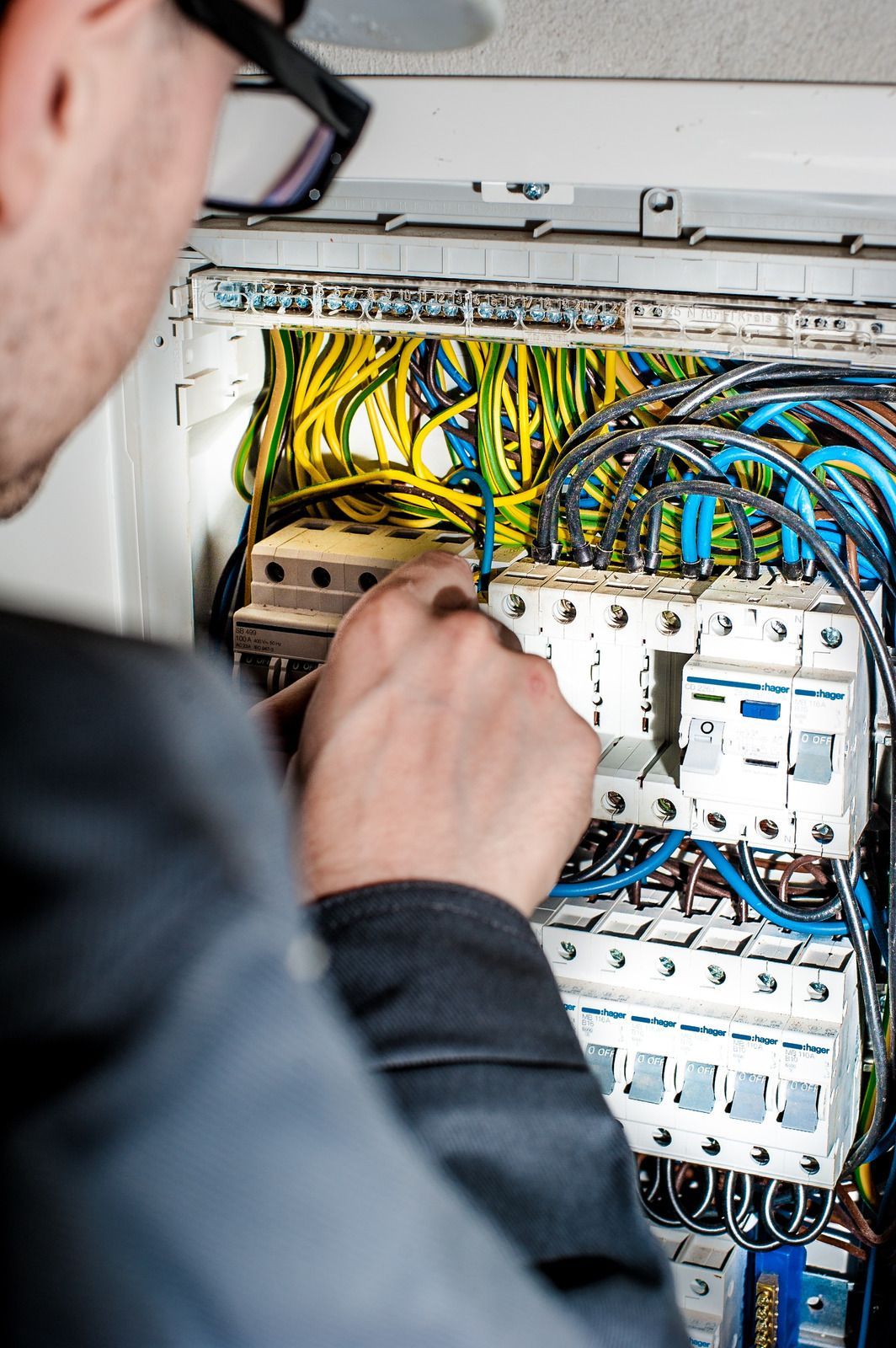
At Pro-Line Electrical Service in Broken Arrow, Oklahoma, we bring 30 years of hands-on experience in delivering dependable generator solutions tailored to real-world conditions. Our approach focuses on understanding each property’s unique energy demands, ensuring every system is designed for optimal performance, efficiency, and long-term reliability. We prioritize precision in load calculations, expert installation, and seamless integration, helping ensure backup power systems operate exactly as expected during critical moments.
We work closely with homeowners and businesses to evaluate whether propane, natural gas, or diesel generators best align with specific needs, infrastructure, and budget. Our commitment extends beyond installation, emphasizing ongoing support, maintenance guidance, and system optimization to maximize lifespan and performance. Every project reflects our dedication to quality workmanship, safety, and transparent communication.
With decades of industry knowledge and a deep understanding of local power challenges, we provide solutions that enhance resilience and peace of mind. When reliability matters most, we deliver trusted expertise and proven results that keep properties powered, protected, and prepared for any outage scenario.