How to Size a Whole-Home Generator for Oklahoma's Tornado Season
Oklahoma’s tornado season brings more than high winds and severe storms—it creates prolonged power outages that disrupt daily life, compromise safety, and threaten property. When the grid fails, a properly sized whole-home generator becomes essential, not optional. However, choosing the right generator is not as simple as picking the largest unit available. Oversizing leads to unnecessary costs and inefficiencies, while undersizing can leave critical systems without power when they are needed most. These outages can also impact food storage, communication systems, and overall home security, making reliable backup power even more critical.
Understanding how to accurately size a whole-home generator ensures reliable performance during emergencies while maintaining efficiency and longevity. From calculating electrical loads to identifying priority circuits and factoring in startup surges, each step plays a vital role in selecting the right system. With increasing reliance on electrical appliances, HVAC systems, and smart home technologies, homeowners must approach generator sizing with precision and informed decision-making. Accurate sizing not only improves performance but also extends the lifespan of the generator and reduces long-term operating costs.
This guide breaks down the process into clear, actionable steps. We focus on practical calculations, real-world considerations, and expert recommendations to help ensure that your generator delivers dependable power throughout Oklahoma’s unpredictable tornado season. By following a structured approach, homeowners can avoid costly mistakes and invest in a system that truly meets their needs.
Understanding Power Requirements for Your Home
Calculating Total Electrical Load
The first step in sizing a whole-home generator is determining how much power your home actually uses. Every appliance, system, and device contributes to your total electrical load, measured in watts. Start by listing essential equipment such as HVAC systems, refrigerators, sump pumps, lighting, and medical devices. Each item typically includes a label indicating running wattage and starting wattage.
Running wattage reflects the power needed during normal operation, while starting wattage accounts for the surge required when equipment first powers on. Ignoring this distinction can result in an undersized generator that struggles during startup cycles. For example, an air conditioner may require three times its running wattage at startup.
To calculate total load, add all running watts and include the highest starting wattage among major appliances. This ensures your generator can handle peak demand without overloading.
Differentiating Essential vs. Non-Essential Loads
Not every appliance needs to run during an outage. Prioritizing essential loads helps reduce generator size and cost while maintaining functionality. Essential loads typically include refrigeration, heating or cooling systems, water pumps, security systems, and basic lighting.
Non-essential loads, such as entertainment systems, secondary appliances, or luxury features, can be excluded or managed separately. By focusing on necessities, homeowners can significantly lower generator capacity requirements without sacrificing safety or comfort.
Choosing Between Whole-Home and Partial Backup Systems
Whole-Home Generator Advantages
A whole-home generator powers your entire electrical panel, ensuring seamless operation during outages. This option is ideal for households that rely heavily on continuous power or prefer not to manage load prioritization manually. It supports all appliances, maintains indoor comfort, and allows daily routines to continue uninterrupted.
Whole-home systems are particularly valuable during tornado season when outages can last for extended periods. Automatic transfer switches detect power loss and activate the generator within seconds, providing immediate backup.
Partial Backup System Considerations
Partial backup systems, often called essential circuit generators, focus only on critical loads. While more affordable, they require careful planning to ensure priority systems receive adequate power. These systems may involve manual intervention or load management to prevent overload.
For smaller homes or budget-conscious installations, partial systems can still provide reliable protection. However, they require a more strategic approach to load selection and usage patterns during outages.
Accounting for Surge Power and HVAC Demands
Understanding Surge Requirements
Managing HVAC System Loads
HVAC systems often represent the largest electrical demand in a home. During Oklahoma’s tornado season, temperature fluctuations can make heating or cooling essential. Properly sizing a generator requires careful evaluation of HVAC requirements, including system type, size, and efficiency.
Homeowners may choose to power only one HVAC system or implement load management devices that stagger startup times. These strategies reduce peak demand while maintaining indoor comfort. In some cases, upgrading to energy-efficient HVAC systems can lower overall generator requirements.
Selecting the Right Generator Capacity and Type
Determining Generator Size (kW Rating)
Generator capacity is typically measured in kilowatts (kW). After calculating total load and surge requirements, homeowners can determine the appropriate generator size. Most residential whole-home generators range from 10 kW to 30 kW, depending on home size and power needs.
A small home with essential loads may require a 10–14 kW generator, while larger homes with full backup capabilities may need 20–30 kW systems. It is important to include a buffer of 10–20% above calculated load to ensure reliability and accommodate future additions.
Comparing Generator Types
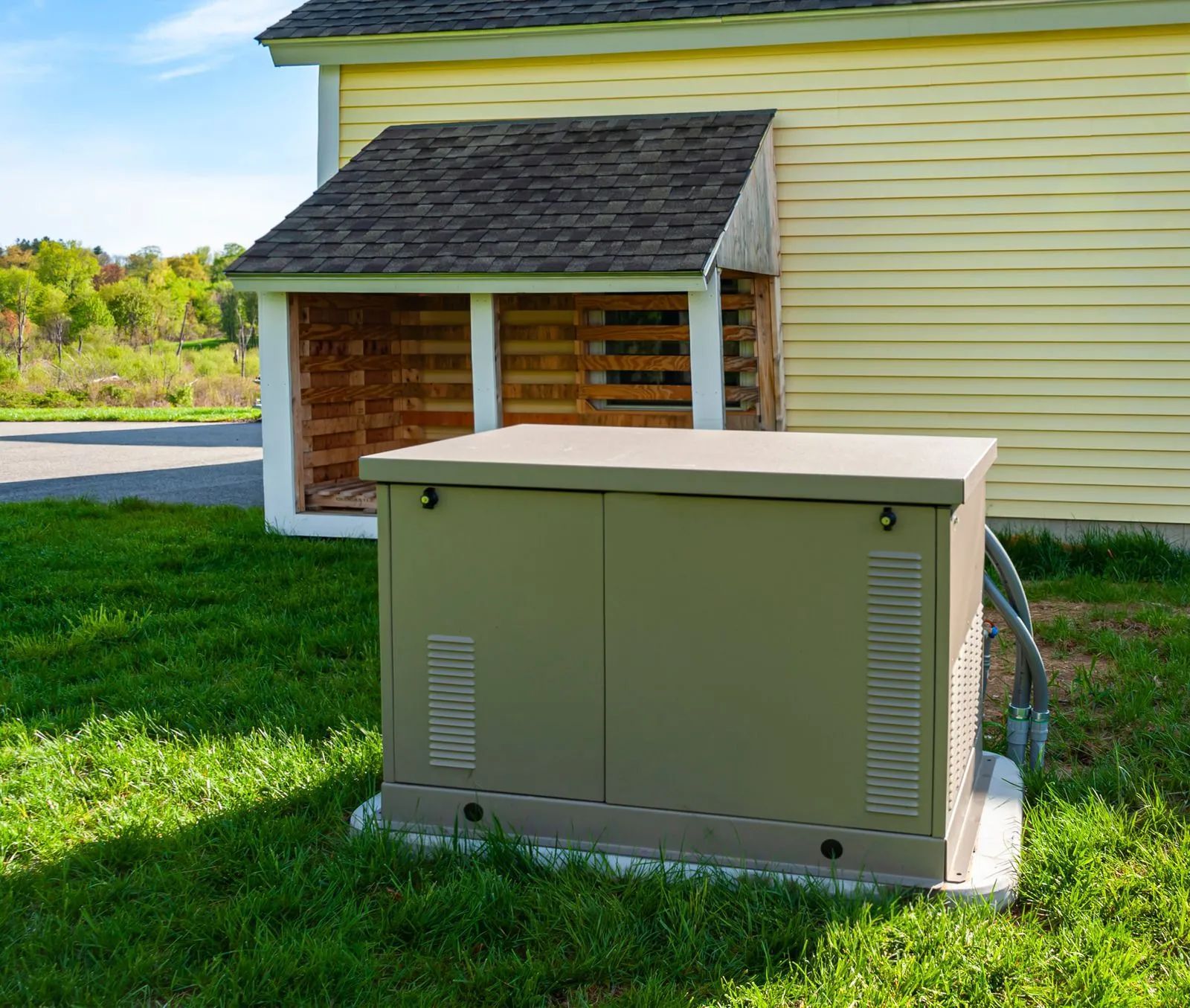
Standby generators are the preferred choice for whole-home applications. These permanently installed systems connect directly to the home’s electrical panel and fuel source, such as natural gas or propane. They operate automatically and provide consistent power during outages.
Portable generators, while more affordable, are not designed for whole-home use. They require manual setup, limited fuel capacity, and cannot safely power entire electrical systems without proper transfer equipment. For tornado-prone regions, standby generators offer superior reliability and convenience.
Installation Considerations and Local Requirements
Transfer Switch Integration
A transfer switch is essential for safe generator operation. It isolates your home from the utility grid during outages, preventing backfeeding and protecting utility workers. Automatic transfer switches are standard for whole-home systems, ensuring seamless transition between power sources.
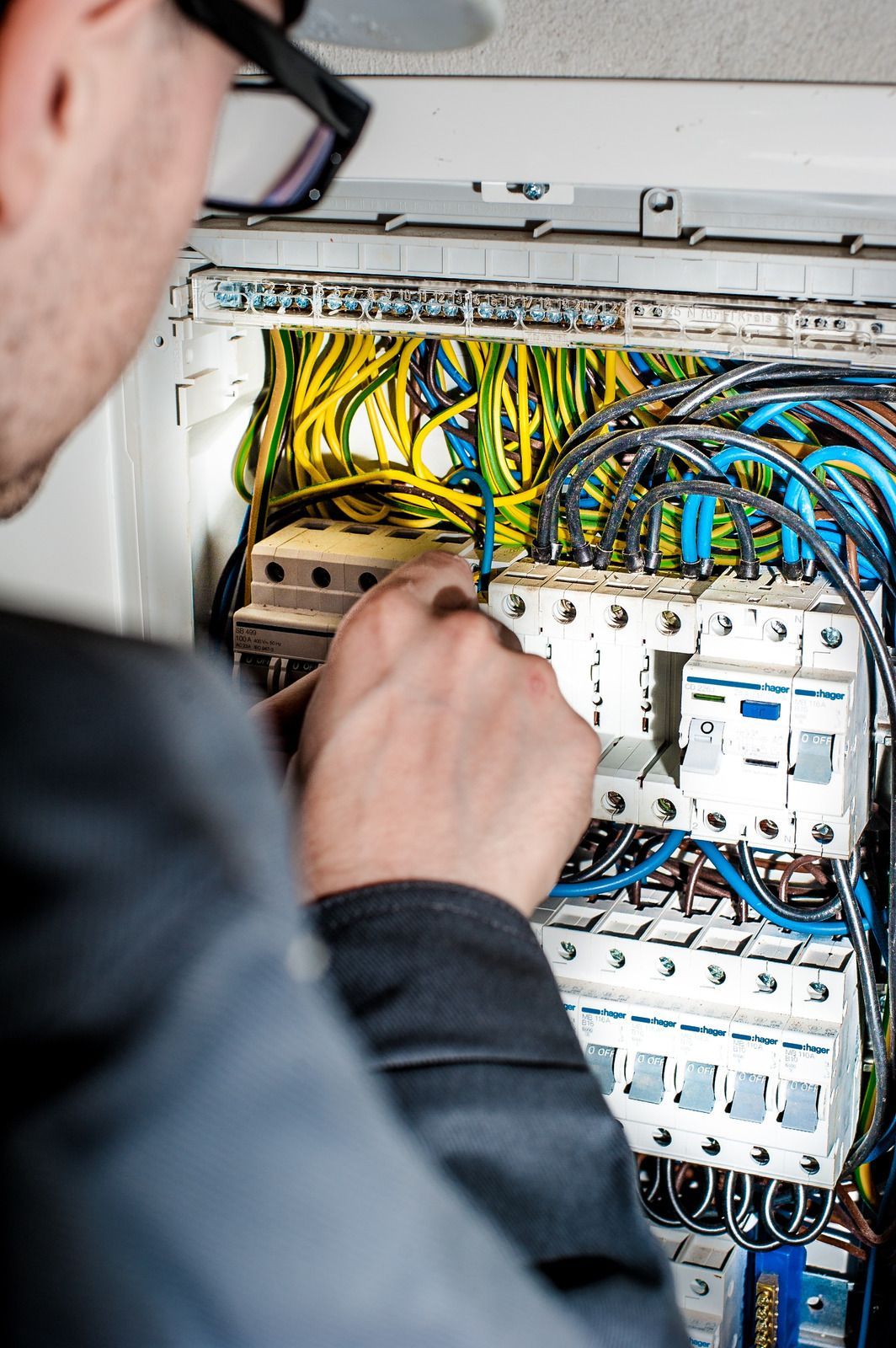
Proper installation involves integrating the transfer switch with the main electrical panel and configuring circuits based on load priorities. This step requires professional expertise to ensure compliance with electrical codes and safety standards.
Fuel Source and Runtime Planning
Generator performance depends heavily on fuel availability. Natural gas generators provide continuous operation as long as the gas supply remains active, making them a popular choice. Propane systems offer flexibility but require adequate storage capacity to sustain extended outages.
Homeowners should evaluate fuel consumption rates and plan for worst-case scenarios. During tornado season, outages may last several days, making fuel reliability a critical factor in generator selection.
Compliance with Local Codes
Electrical installations must comply with local building codes and regulations. These requirements govern generator placement, wiring, ventilation, and noise levels. Professional installation ensures adherence to these standards while minimizing risks associated with improper setup.
Permits and inspections may also be required, depending on local regulations. Working with experienced professionals helps streamline the process and ensures a safe, compliant installation.
Best Practices for Long-Term Performance and Reliability
Routine Maintenance and Testing
Load Management Strategies
Even with a properly sized generator, managing electrical load improves efficiency and performance. Smart load management systems can automatically prioritize circuits and prevent overload by temporarily shedding non-essential loads.
These systems are particularly useful for homes with high electrical demand, allowing smaller generators to operate effectively without compromising essential functions.
Planning for Future Expansion
Electrical needs often increase over time due to home additions, new appliances, or technological upgrades. When sizing a generator, it is important to consider future growth and ensure the system can accommodate additional load.
Investing in a slightly larger generator or one with scalable capabilities can prevent costly upgrades later. This forward-thinking approach ensures long-term value and adaptability.
Experienced Professionals Ensuring Safe and Efficient Power Backup
When it comes to expert generator sizing and installation, we bring proven experience and dependable service to every project. At Pro-Line Electrical Service in Broken Arrow, Oklahoma, we combine 30 years of industry expertise with a commitment to precision, safety, and customer-focused solutions. We understand the unique challenges that tornado season presents, and we tailor every generator system to meet real-world demands.
We take a detailed approach to evaluating electrical loads, identifying critical systems, and recommending the right generator capacity for long-term reliability. Our process ensures that every installation is code-compliant, efficient, and built to perform when it matters most. From initial consultation to final testing, we prioritize quality workmanship and transparent communication.
Our goal is to provide homeowners with confidence and peace of mind through dependable backup power solutions. With a strong foundation in electrical expertise and a focus on long-term performance, we deliver results that stand up to Oklahoma’s toughest weather conditions while keeping homes safe, powered, and prepared.